Wondering why so many West Lake Hills homes feel unforgettable, even when they look completely different from one another? In 78746, architecture is shaped as much by the land as by design trends, which is why you see homes that sit low into the hillside, open wide to canyon views, or tuck behind mature trees for privacy. If you are buying, selling, or planning a renovation here, understanding the area’s defining styles can help you spot value, protect character, and make smarter decisions. Let’s dive in.
Why West Lake Hills Architecture Stands Out
West Lake Hills is an incorporated city west of downtown Austin with about 4 square miles, roughly 1,000 homes, and around 200 businesses. City materials emphasize preservation of the rural environment and natural beauty, and that mindset shows up clearly in the housing stock.
This is not a place where homes were built to ignore the land. Local and county records describe a residential pattern shaped by slopes, mature native trees, larger lots, and view-oriented design. Many properties sit on lots from about half an acre to more than five acres, which gives homes room to respond to terrain instead of flattening it.
That site-driven history helps explain why West Lake Hills does not read as one uniform architectural neighborhood. Instead, you tend to see a mix of mid-century ranch, mid-century modern, and contemporary Hill Country estates, all adapted to the same wooded hillsides and dramatic topography.
Mid-Century Ranch in West Lake Hills
Low profiles and long lines
One of the most recognizable West Lake Hills home styles is the mid-century ranch, sometimes called modern ranch in local context. These homes are usually one story, long and horizontal, with broad overhanging eaves and a layout that feels practical and easy to live in.
In the hills west of Austin, including West Lake Hills, many 1950s and 1960s ranch homes were designed to blend with the terrain. County survey findings describe low-slung stone or brick houses that step with the slope and open toward backyards and Hill Country views rather than focusing on a formal street presence.
What to look for
If you are touring a ranch-style home in West Lake Hills, a few visual cues often stand out:
- Low, horizontal shape
- Stone or brick exterior
- Broad eaves
- Small inset porches
- Large rear-facing windows
- Strong connection to backyard living
These homes often feel grounded and understated from the street. Once you move inside or toward the back of the property, the design usually opens up and takes fuller advantage of light, views, and outdoor space.
Why buyers still love them
Ranch homes tend to feel efficient, flexible, and approachable. In West Lake Hills, they also carry architectural relevance because they reflect the area’s early development pattern and its long-standing preference for homes that work with the site.
For buyers, that can mean a floor plan that is easier to navigate and a house that sits naturally on the lot. For sellers, preserved original character paired with thoughtful updates can be especially appealing because it aligns with the neighborhood’s architectural history.
Mid-Century Modern Homes in 78746
Structure, glass, and openness
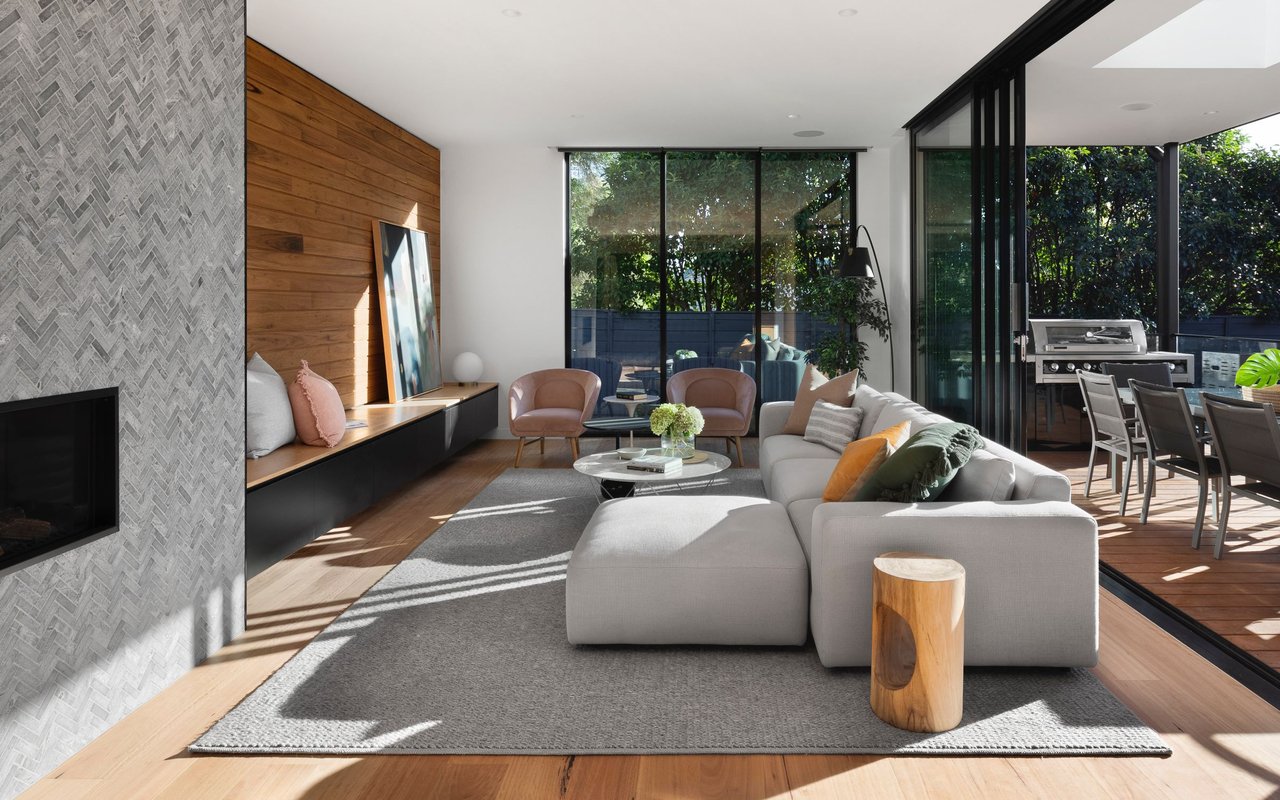
Mid-century modern homes in West Lake Hills share some DNA with ranch homes, but they often make the structure itself more visible and expressive. This style is typically marked by post-and-beam construction, large expanses of glass, open plans, and materials that feel honest and intentional.
A local example noted in preservation materials is Murray Legge’s Hood House renovation in West Lake Hills. The project preserved a post-and-beam structure and limestone fireplace while adding a new wing and sustainable systems, all while maintaining the original mid-century street presence.
What makes the style feel different
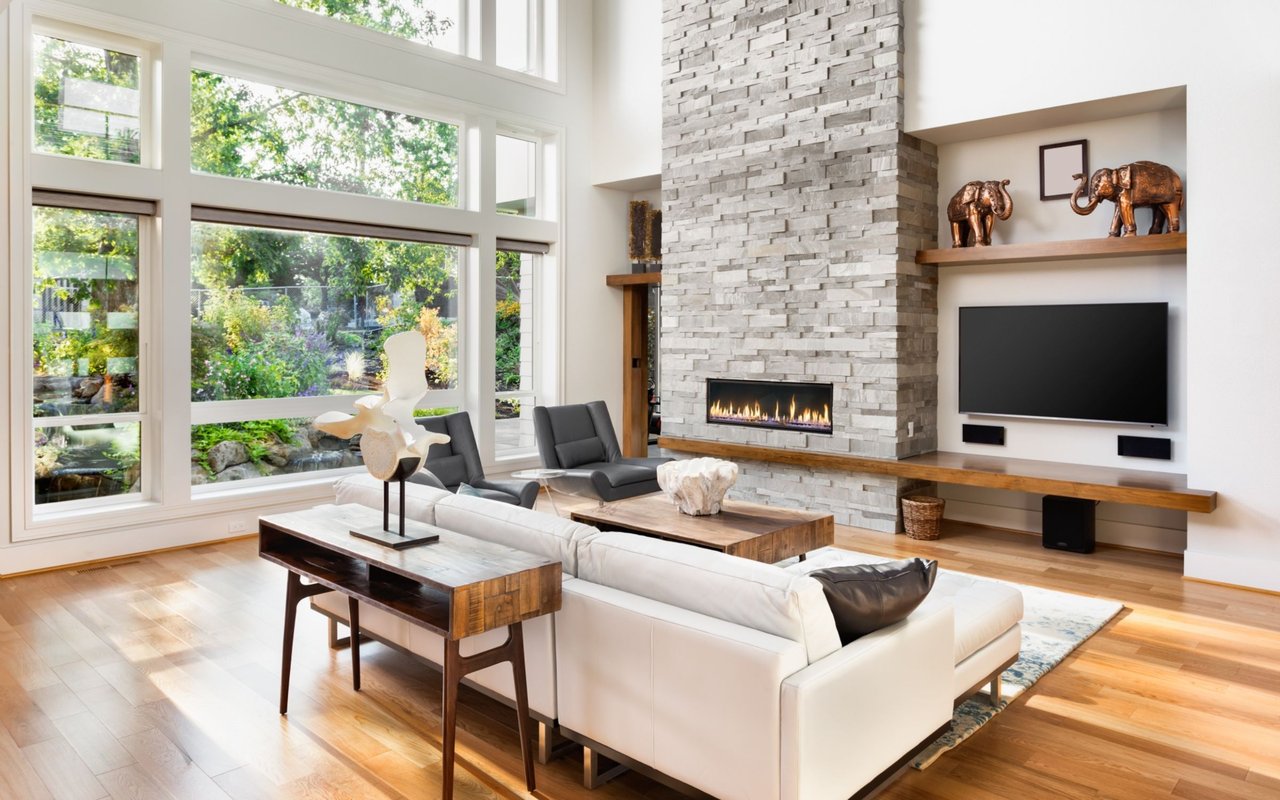
Compared with a more traditional ranch, a mid-century modern home usually feels lighter and more transparent. The architecture often uses wide glass openings and open interior planning to make the house feel larger than its footprint.
In a place like West Lake Hills, that approach works especially well because the topography and tree canopy become part of the home’s daily experience. Instead of treating the outdoors as separate, the design pulls the landscape into the living spaces.
Features you may notice
Common mid-century modern traits include:
- Post-and-beam framing
- Limestone or wood details
- Wide glass openings
- Open interior layout
- Strong indoor-outdoor flow
- A simple but intentional street-facing facade
If you are evaluating one of these homes, the key is often not just square footage. It is how well the structure, materials, and light work together.
Contemporary Hill Country Estates
Custom design shaped by the lot
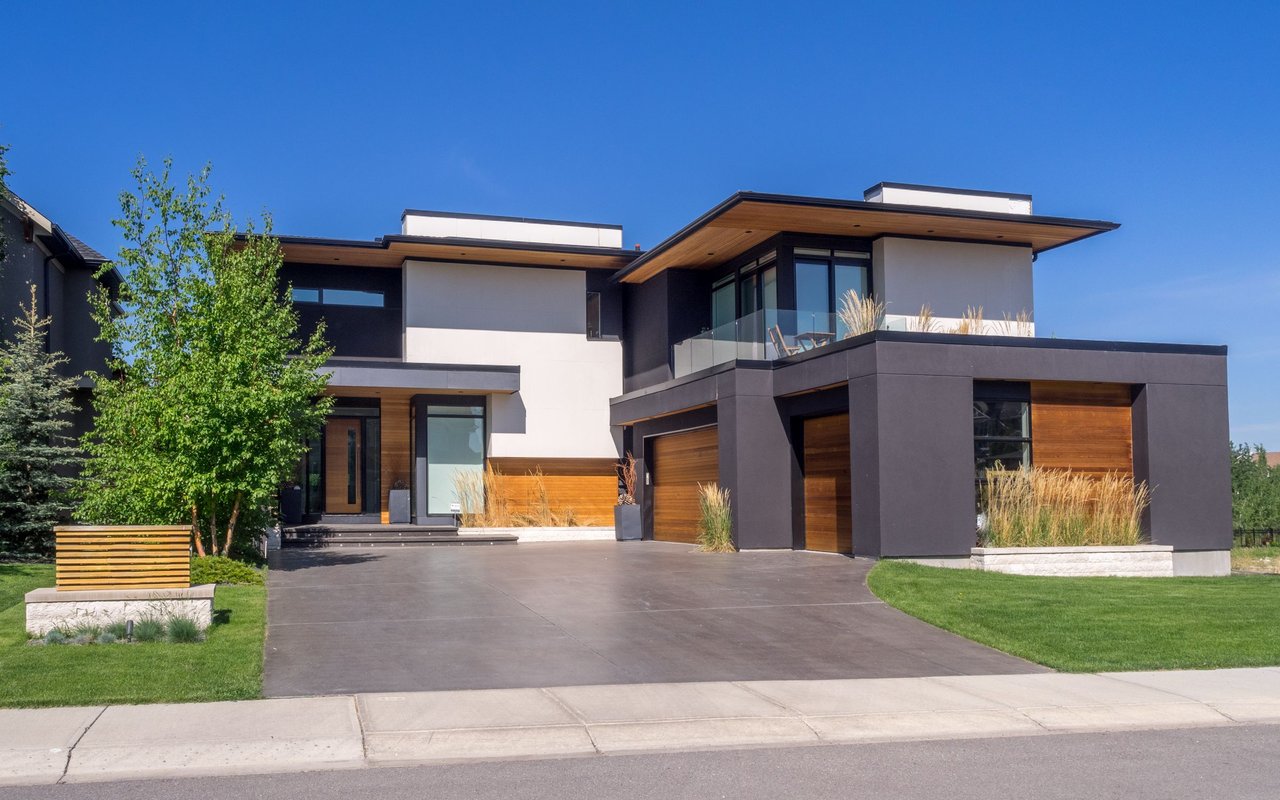
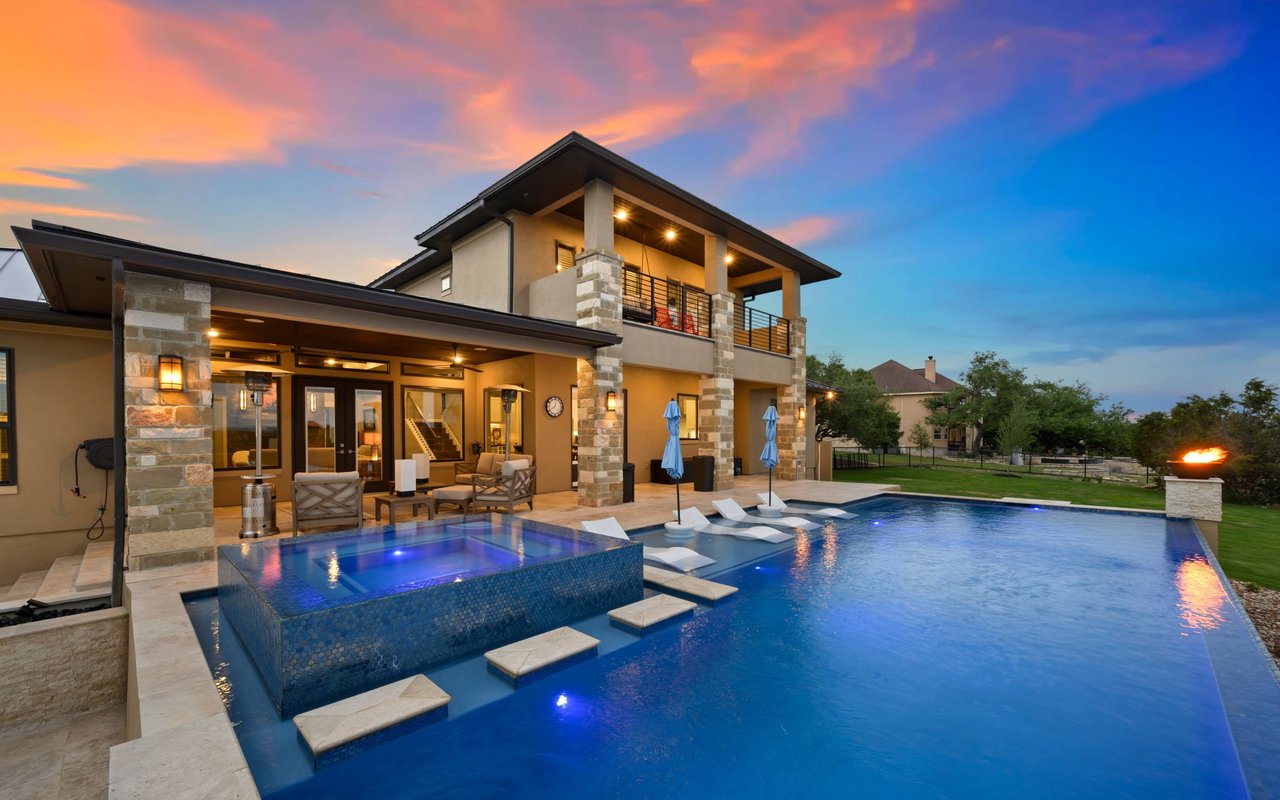
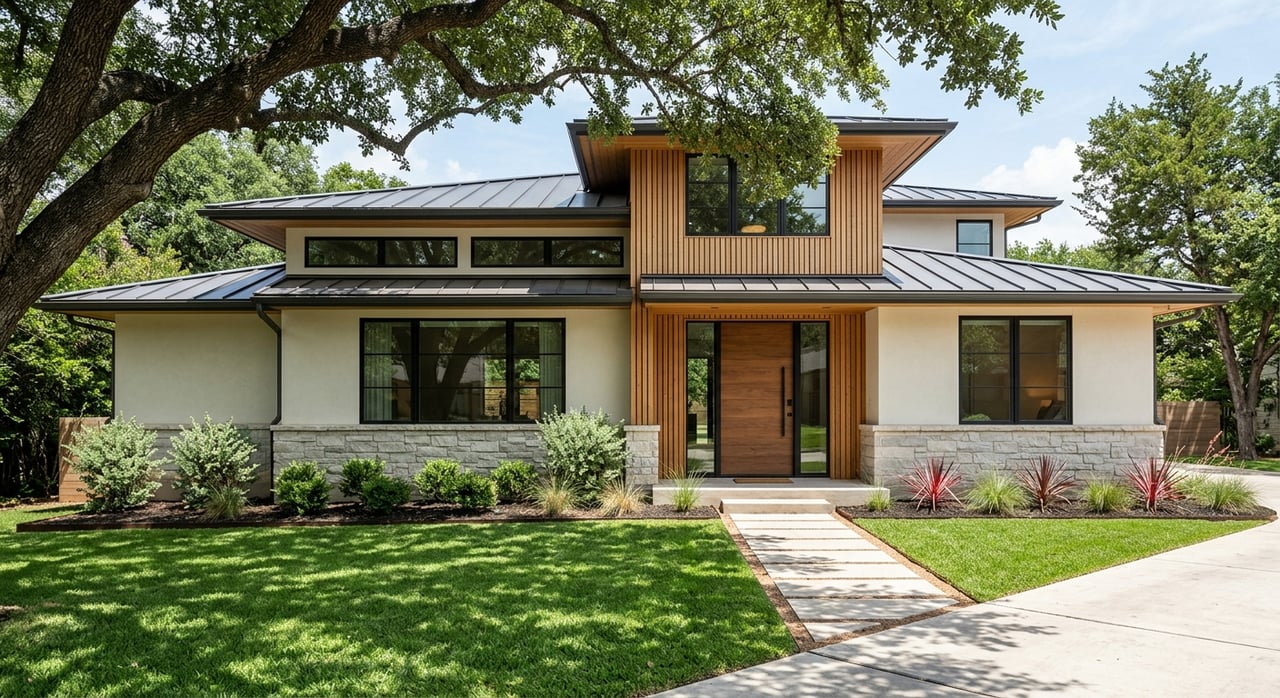
Today’s contemporary estates in West Lake Hills continue the area’s site-driven tradition, but often in a larger and more sculptural way. National Park Service guidance describes contemporary homes as custom, site-specific designs that respond creatively to physical setting, often using open plans, broad eaves, natural materials, and rear glazing.
That description fits West Lake Hills well. Local examples include homes designed to frame downtown Austin views, step with the hillside, and create privacy at the street while opening dramatically to terraces, pools, and canyon-facing outdoor living areas.
The visual language of newer homes
Contemporary estates here often blend glass, stone, wood, and metal. Rather than forcing a flat building pad, the massing may step down with the slope, which helps the home feel connected to the land.
From the street, these homes may appear restrained or even private. At the rear, they often become far more transparent, using large windows, terraces, and outdoor spaces to take advantage of scenery and natural light.
Common cues of a contemporary estate
You may spot features such as:
- Large glass walls
- Stone and metal materials
- Terraces and expansive outdoor living areas
- Privacy screens
- Minimal street-facing detail
- Massing that follows the slope
For luxury buyers and sellers, these details matter because they show whether the architecture was truly designed for the site or simply placed on it.
How the Land Shapes Daily Living
In West Lake Hills, architecture is not just about curb appeal. The lot itself often shapes how you live in the home every day. Porches, terraces, pools, tree canopy, and view corridors are part of the experience, not just background features.
That is one reason homes in 78746 can feel so different from houses in flatter parts of Austin. A ranch home may offer simple, flexible living with a strong backyard focus, while a contemporary home may lean more heavily into privacy, layered outdoor spaces, and dramatic glazing.
If you are house hunting, it helps to look beyond finishes and ask how the home uses the site. The most successful homes here usually feel intentional in the way they meet the slope, preserve the canopy, and capture light.
Renovation Considerations in West Lake Hills
Tree rules matter
If you are planning to update a home in West Lake Hills, the property’s natural setting is not something to treat casually. The city regulates tree and vegetation removal to protect the wooded, rural character, and vegetation generally cannot be removed without a permit except in limited maintenance cases.
Oak care also has seasonal rules. The city restricts pruning of red oaks and live oaks from February through June, and cuts must be painted immediately.
Permits can affect design choices
West Lake Hills also has practical constraints that can shape renovation plans. The city says single-family residential properties that are 0.5 acre or larger have a maximum of 25% impervious cover, and residential permit applications may involve new construction, remodels, additions, pools, landscaping, and changes to impervious cover.
Separate permits are required for some items, including fences and swimming pools, and drainage plans are reviewed with building permit applications. The city also approved a revised Drainage and Erosion Control Design Manual on April 8, 2026, which applies to projects submitted for review beginning May 18, 2026.
Why original bones often matter
In practical terms, West Lake Hills tends to reward renovation plans that work with the existing house and terrain. Projects that preserve original massing, keep additions secondary, and avoid unnecessary hardscape or tree removal are often more aligned with the city’s rules and the area’s design character.
This is where construction knowledge can make a real difference. Before you fall in love with a remodel idea, it helps to understand how slope, drainage, tree protection, and impervious cover may affect what is realistic.
What Architectural Style Means for Resale
When it comes to resale, the strongest West Lake Hills homes are usually the ones that feel like they belong on their lot. That does not mean every house needs to be untouched or historically pure. It means buyers often respond to homes where the design feels intentional.
In this market, qualities such as preserved mid-century character, natural light, privacy, indoor-outdoor flow, and a clear response to slope and canopy all support that sense of fit. Those traits line up with both the area’s architectural history and the way newer homes continue to be designed.
For sellers, that can translate into smarter preparation choices. Instead of chasing trends that fight the structure, it is often more effective to highlight the home’s architectural strengths and relationship to the land.
Buying or Selling With Architecture in Mind
If you are buying in West Lake Hills, architectural style can tell you a lot about how a home may live, age, and renovate. A ranch may offer clean lines and practical flexibility. A mid-century modern may deliver stronger architectural identity and glass-forward living. A contemporary estate may provide privacy, drama, and a more customized connection to the site.
If you are selling, understanding your home’s style helps shape the story you tell. Buyers in 78746 are often paying attention to more than finishes. They are looking at setting, design integrity, and whether the house takes advantage of what makes West Lake Hills special.
That is where local market knowledge and construction insight can work together. When you understand both the architecture and the practical constraints of the lot, you can make more confident decisions whether you are preparing a listing, evaluating renovation potential, or searching for the right long-term fit.
If you want help evaluating a West Lake Hills home from both a market and construction perspective, Andrea Hamilton brings local knowledge, renovation insight, and personalized guidance to every step of the process.
FAQs
What architectural styles are most common in West Lake Hills homes?
- The most recognizable styles in West Lake Hills are mid-century ranch, mid-century modern, and contemporary Hill Country estates, all shaped by slopes, trees, and view-oriented lots.
What defines a mid-century ranch home in West Lake Hills?
- A West Lake Hills mid-century ranch usually has a low, horizontal profile, broad eaves, stone or brick materials, and rear-facing windows that connect the home to the backyard and views.
What makes a West Lake Hills mid-century modern home different?
- Mid-century modern homes in West Lake Hills often highlight post-and-beam structure, wide glass openings, open plans, and materials like limestone or wood that connect the home to the landscape.
What should homeowners know about renovating a West Lake Hills property?
- Renovations in West Lake Hills may involve permits for remodels, additions, pools, landscaping, fences, and changes to impervious cover, and tree or vegetation removal is regulated by the city.
How do tree rules affect West Lake Hills homeownership?
- The city regulates vegetation removal, and pruning red oaks and live oaks is restricted from February through June, with cuts required to be painted immediately.
Why does architectural style matter for West Lake Hills resale value?
- Architectural style matters because buyers often respond to homes that feel intentional for the lot, with strong natural light, privacy, preserved character, and a design that works with slope and tree canopy.