Thinking about a move to Northwest Hills? You might notice one street lined with low, brick ranch homes and the next featuring glassy two-story builds. When you understand the architecture, you can picture how you’ll live in each home, how natural light moves through rooms, and what to plan for renovations. This guide breaks down the most common styles you’ll see, plus the site and slope factors that shape daily life. Let’s dive in.
How Northwest Hills was built
Northwest Hills is an established, mostly single-family neighborhood that grew from the mid-20th century onward. Many original homes were built between the 1950s and 1970s, with later infill and custom replacements. Lots tend to be mid-sized or larger for Austin, with irregular shapes and sloped yards that reflect the area’s rolling terrain. Over the last two decades, you’ll see a clear mix of renovated one-story houses and newer two-story custom builds on the same block.
Key styles you’ll see
Ranch (single-story)
Ranch homes are the neighborhood’s backbone. They are typically one story with low-pitched roofs, wide fronts, and brick or wood exteriors. Inside, original plans can feel more closed off, with separate living, dining, and kitchen spaces, plus 8-foot ceilings and long runs of windows rather than tall ones.
- What it feels like: Practical single-level living, easy flow to a backyard patio, and a street-facing front yard. Light is softer and more lateral than vertical.
- Buyer notes:
- Many have opened walls to create larger kitchens and living areas. Verify whether load-bearing changes were permitted.
- Original single-pane windows are common. Replacing them improves comfort and efficiency but changes the vintage look.
- Slab foundations are typical in Austin. Check for cracking, drainage patterns, and termite treatment history.
- Older HVAC systems may struggle when walls are removed and spaces open up.
Mid-century modern
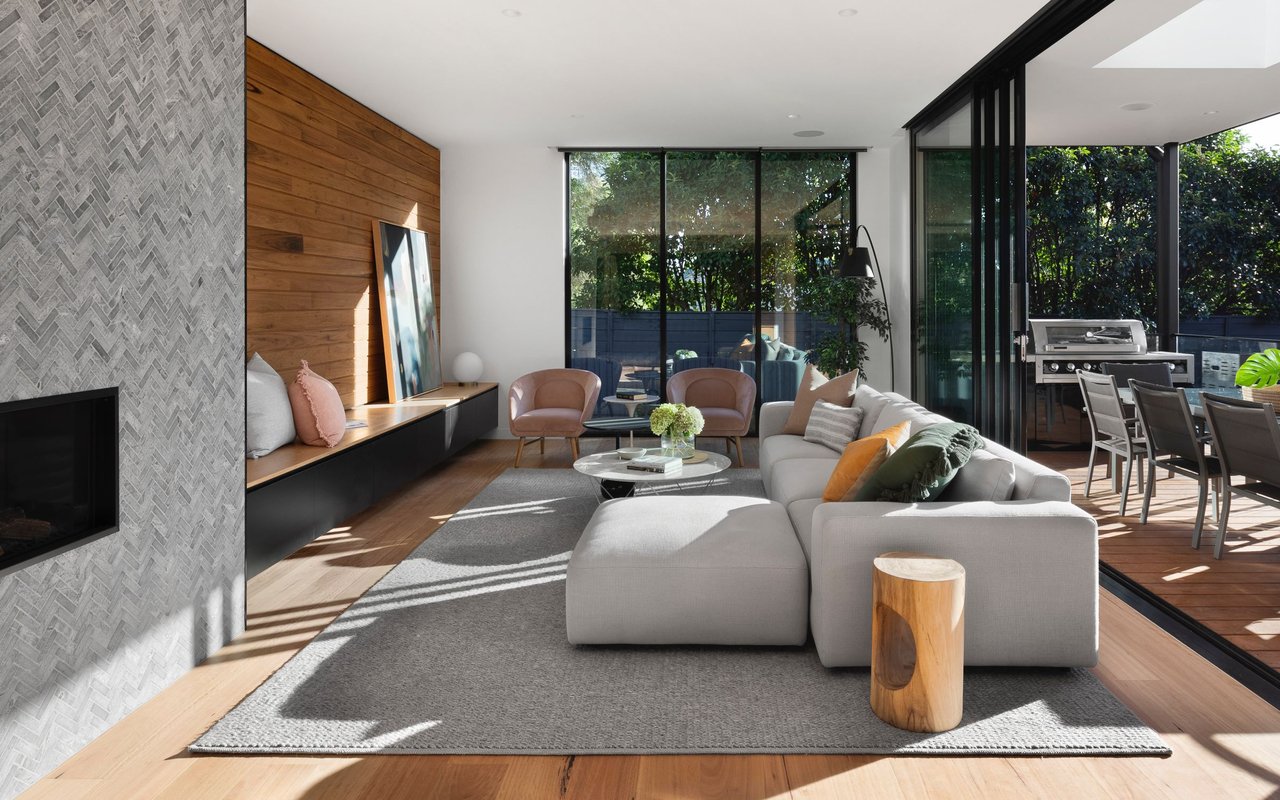
You’ll find scattered mid-century modern homes with low horizontal lines, flat or low-slope roofs, and large window walls or clerestory windows. These designs emphasize indoor-outdoor flow with patios, big sliders, and deep overhangs.
- What it feels like: Airy, open spaces, strong sightlines, and abundant natural light that shifts with the sun. Great for entertaining and visual connection to the yard.
- Buyer notes:
- Large single-pane glass can reduce energy performance. Retrofitting to better glazing while preserving the look takes planning and budget.
- Flat or low-slope roofs need specialized maintenance and may require more frequent attention than steeper roofs.
- Keep original details when possible. Exposed beams, built-ins, and soffits hold style value.
- If prior owners altered structural spans, verify beams, posts, and permits.
Split-level or raised ranch
Split-levels appear on some blocks, often responding to sloped lots. Garages and family rooms sit on a lower level, with main living spaces a half-level up and bedrooms above or behind.
- What it feels like: Useful separation between living, sleeping, and recreation zones. Lower levels can be a bit darker due to smaller windows.
- Buyer notes:
- Stairs between short levels add daily steps. Consider accessibility for long-term needs.
- Pay close attention to drainage around the lower level and any finished basement areas.
Contemporary and Hill Country modern
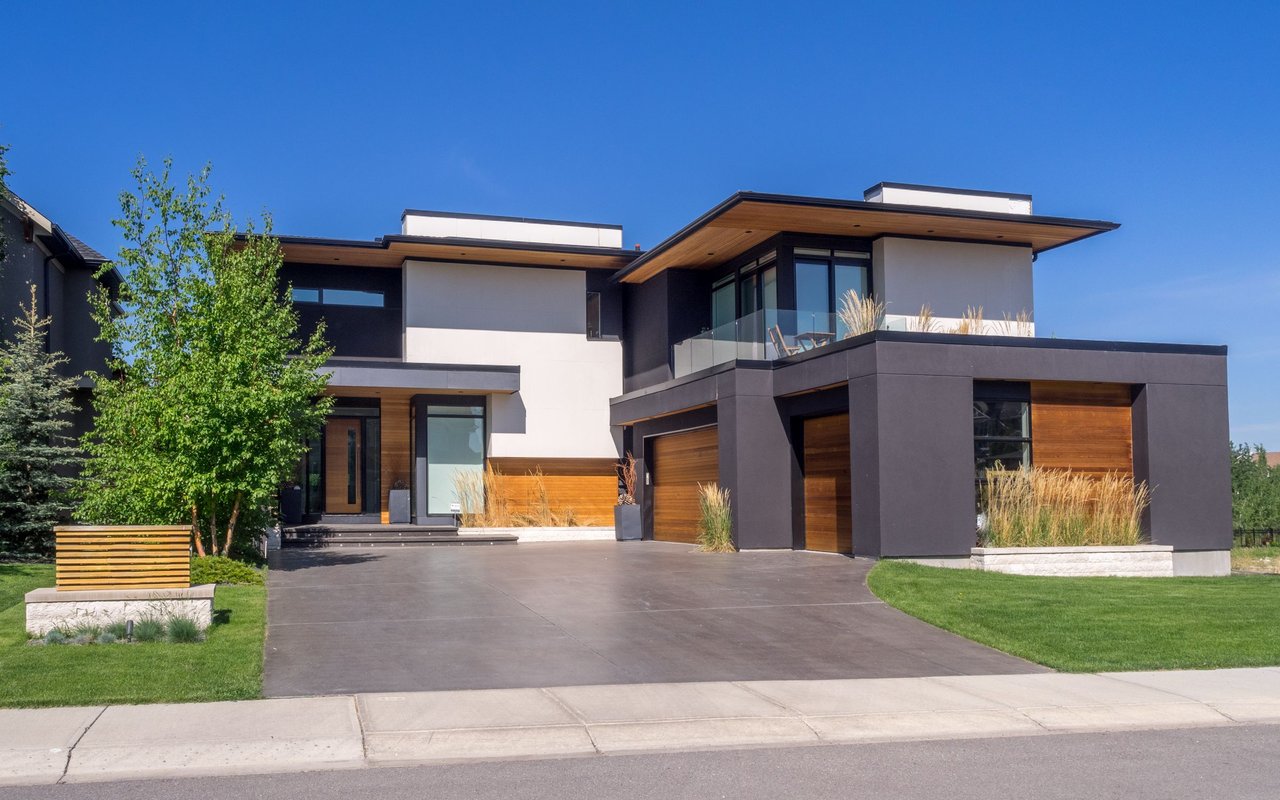
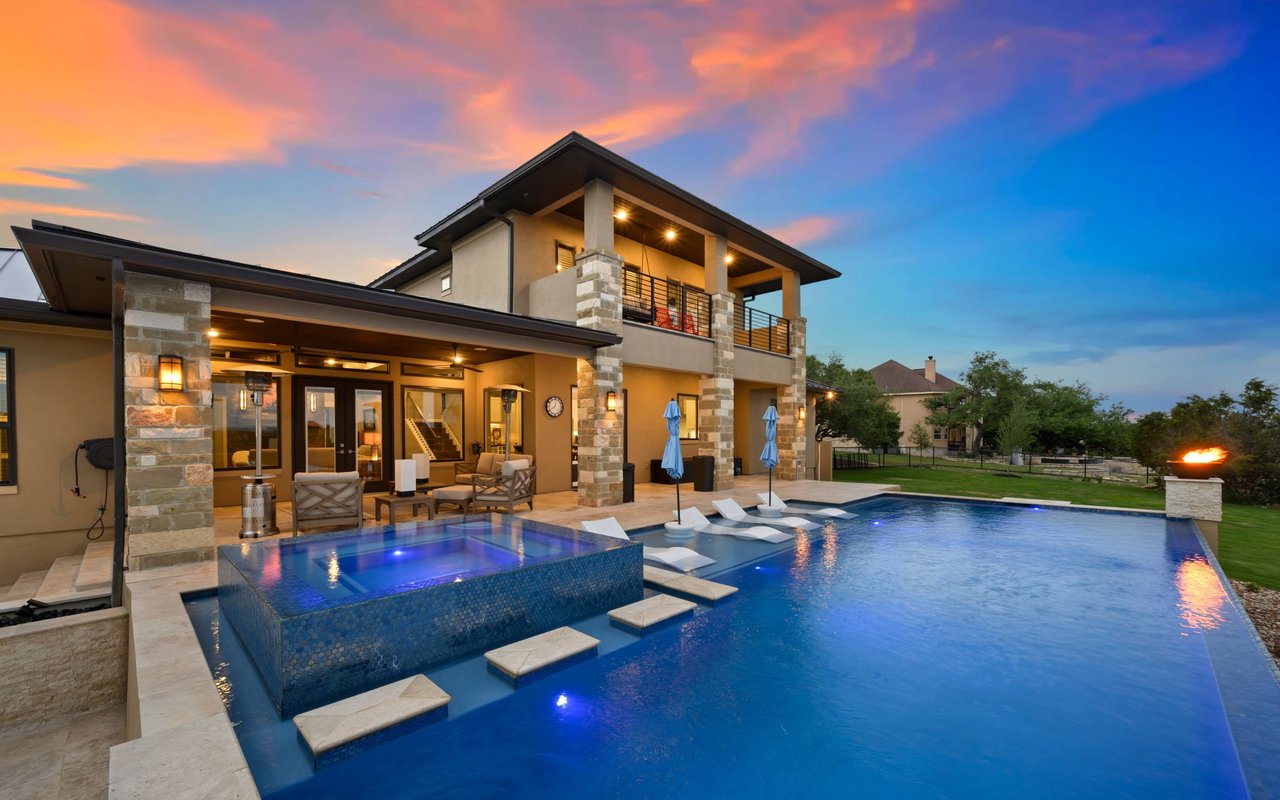
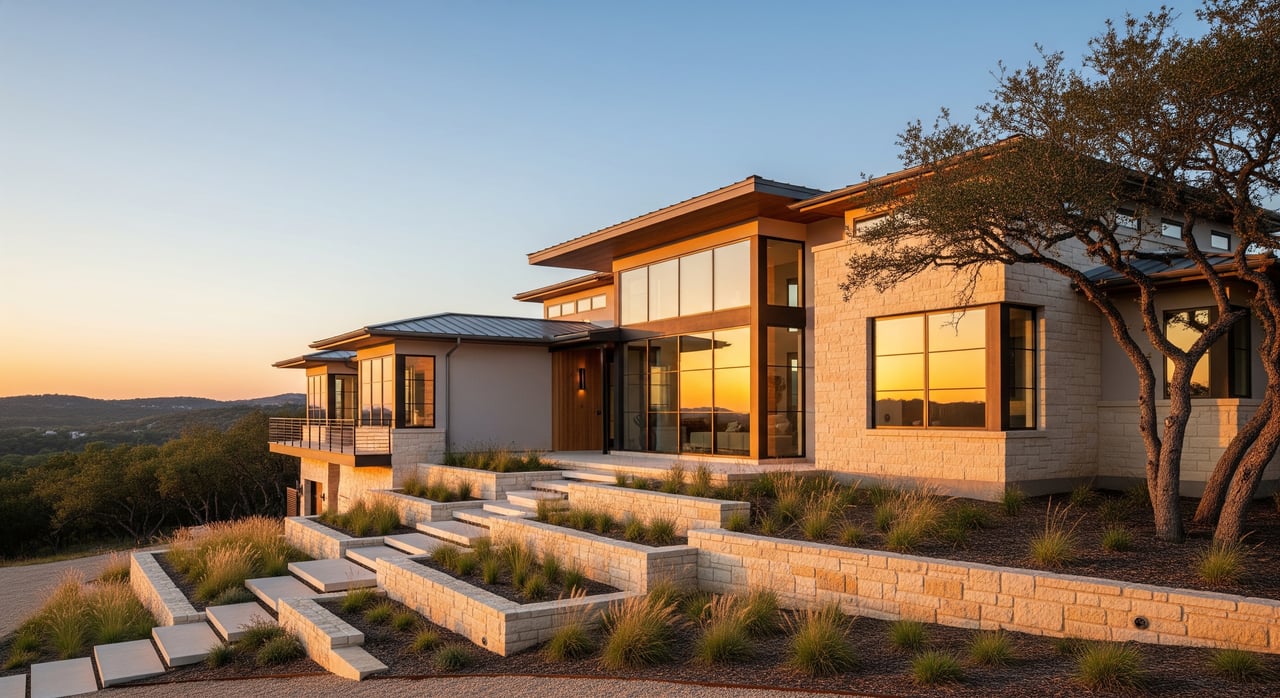
Newer custom homes from the 2000s to today bring clean lines, larger expanses of glass, mixed materials like limestone, stucco, and metal, and higher ceilings. Many take advantage of slopes with multi-level decks and second-story views.
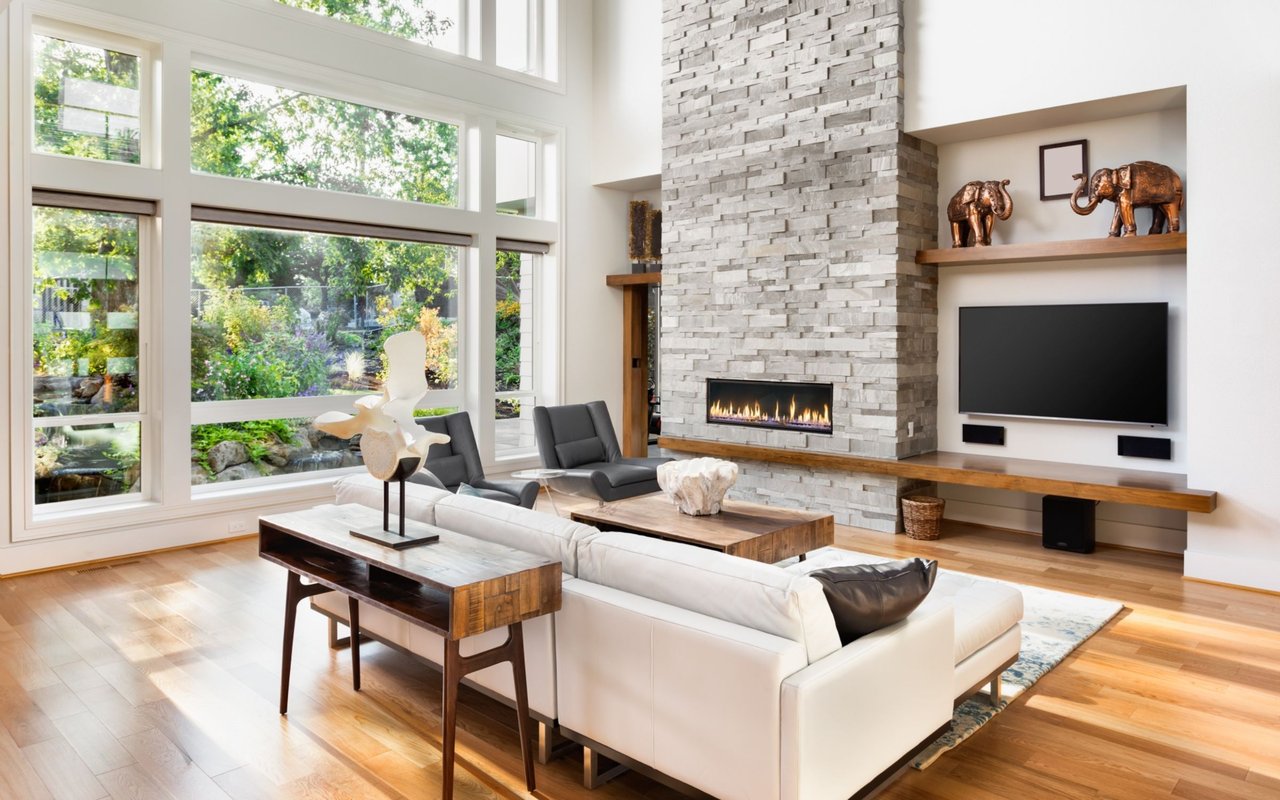
- What it feels like: Bright, open interiors with strong daylight and modern mechanical systems. Spaces tend to feel larger and more flexible.
- Buyer notes:
- Designs often maximize interior square footage. Confirm you still have functional yard space and good drainage.
- Materials such as engineered wood, advanced glazing, or EIFS have different maintenance needs than older brick or stone.
- Taller homes can affect light and privacy next door. Expect some neighborhood compatibility considerations for future additions.
Mediterranean and transitional
You will also see a smaller number of Mediterranean, Spanish-influenced, or transitional facades. These may feature stucco or stone, arched entries, and occasionally tile roofs.
- What it feels like: Warm, open interiors, sometimes with courtyards or covered outdoor rooms.
- Buyer notes:
- Many are cosmetic overhauls of older footprints. Roofing and stucco require different maintenance than brick and wood.
Site, light, and living
Northwest Hills sits on rolling topography, and that shapes your experience as much as floor plan.
- Orientation and daylight: East and west exposures can change how your rooms feel from morning to afternoon. Homes with clerestory or large window walls pull in balanced light; ranch plans often bring in softer, horizontal daylight.
- Views and privacy: Slopes can create canyon or distant city views, especially from second stories or elevated lots. A mature tree canopy adds shade and privacy but can limit interior daylight.
- Outdoor living and landscaping: Terraced yards, retaining walls, and stonework are common. Confirm grading, gutters, and erosion control, especially on lots modified during infill work.
- Parking and storage: Older ranches may have one- or two-car garages. Newer homes often add larger garages, but low-pitched or flat roofs can limit attic storage.
Quick definitions
- Ranch: Single-story, low roofline, wide footprint. Often compartmentalized inside.
- Mid-century modern: Low-slung profiles, large glass, and open plans that connect indoors and out.
- Split-level: Short flights of stairs divide garage, living, and bedroom zones.
- Contemporary/Hill Country modern: Newer custom builds with clean lines, larger windows, and mixed materials.
- Infill: New homes built on existing lots, often replacing an older house.
- Topography: The slope and shape of the land. In Northwest Hills, it affects daylight, drainage, and views.
- Load-bearing wall: A wall that carries weight from above. Removing one requires structural support and permits.
Touring tips for buyers
Use this short checklist to focus your walk-throughs.
Structure and site
- Look for signs of foundation movement like cracks, sticky doors, or uneven floors.
- Check roof type and age, especially for flat or low-slope roofs.
- Follow the water. Look for clear drainage paths, intact gutters, and stable retaining walls.
- Consider tree roots near foundations and sewer lines.
Comfort and efficiency
- Note window type and condition. Original single-pane glass may feel drafty in winter and warm in summer.
- Ask about insulation, ductwork, and HVAC capacity, especially in opened-up ranches.
- In glass-forward homes, look for shading, overhangs, or performance glazing.
Fit and function
- If you prefer single-level living, focus on ranch and some mid-century plans.
- If stairs are fine, split-levels and newer two-story customs expand your options.
- Expect terraced or sloped yards. If you want a flat play space, verify the grade rather than assuming.
Resale and projects
- Confirm permits for past wall removals, additions, or major system upgrades.
- Preserving original stonework or mid-century details can attract design-minded buyers later.
- Large additions or second stories may face compatibility questions within the neighborhood pattern.
Putting it together
Every style in Northwest Hills offers a distinct way of living. Ranch homes bring easy single-level comfort and backyard patios. Mid-century designs deliver light, openness, and a strong indoor-outdoor feel. Split-levels offer zoned living that works well with slopes, while contemporary builds add volume, efficiency, and elevated views. The right fit depends on how you want to live, how you like your light, and the projects you are willing to take on.
If you want expert eyes on structure, drainage, and renovation scope before you write an offer, reach out to Andrea Hamilton. Andrea blends decades of transaction experience with hands-on homebuilding expertise to help you choose the right house, set realistic budgets, and move forward with confidence.
FAQs
Which Northwest Hills style has the most natural light?
- Mid-century modern and many contemporary homes usually bring in the most daylight thanks to larger window walls, clerestories, and higher ceilings.
Are there many single-level homes for downsizers in Northwest Hills?
- Yes. One-story ranch homes are common, and some mid-century homes are single level as well, though many newer custom builds add stairs.
How common are major remodels or teardowns in Northwest Hills?
- Quite common over the last 15 to 20 years, resulting in a visible mix of renovated originals and newer two-story custom homes on the same blocks.
What should I check first when touring an older home in the neighborhood?
- Start with foundation and drainage, roof condition, window performance, HVAC capacity, and permit history for any wall removals or additions.
How do slope and trees affect outdoor living and future additions?
- Sloped lots often require terraces and retaining walls, and large trees add shade and privacy but can impact daylight, drainage, and utility lines.