Are you wondering what a buyer’s inspector is most likely to notice before your Northwest Hills home goes under contract? If so, you are asking the right question. In an established Austin neighborhood like Northwest Hills, smart inspection prep is usually less about chasing perfection and more about handling visible maintenance, safety items, and easy-to-spot functional issues before they become negotiation points. Let’s dive in.
Why inspection prep matters
In Texas, inspection findings often become part of the conversation during the option period. That means even smaller issues can give buyers a reason to ask for repairs, credits, or a price adjustment after you are already under contract.
For sellers in Northwest Hills, the goal is not to make your home look brand new. The goal is to reduce avoidable red flags, present the home as well maintained, and make it easier for buyers to move forward with confidence.
Why Northwest Hills sellers should focus on maintenance
Northwest Hills is a mature area within Austin’s District 10, not a brand-new development. In established neighborhoods, inspectors often pay close attention to aging systems, deferred maintenance, and signs that water, settling, or access issues may have affected the property over time.
Local geography matters too. City materials place the Northwest Hills planning area across the Shoal Creek, Dry Creek North, and Bull Creek watersheds, which makes drainage and water management especially relevant when a buyer’s inspector reviews the home.
What Texas inspectors usually flag
Texas inspection standards focus on major systems and reportable deficiencies, not everyday cosmetic wear. That means sellers usually get the best return by prioritizing function, safety, and access.
Inspectors are generally required to report deficiencies related to:
- foundations and structural performance
- grading and drainage
- roof coverings and flashing
- attic access and ventilation
- electrical panels and working clearances
- plumbing leaks and pressure issues
- HVAC operation and accessibility
- ducts, filters, and ventilation items
- certain garage, appliance, and safety features
By contrast, ordinary cosmetic flaws like worn paint, surface stains, or minor finish imperfections are generally not the main focus of a Texas resale inspection.
Align inspection prep with disclosures
One of the smartest things you can do is treat inspection prep and disclosure prep as part of the same process. The Texas Seller’s Disclosure Notice asks about known defects or malfunctions in key systems like the roof, foundation, plumbing, and electrical, along with drainage and flood-related issues.
If you already know there is an active leak, drainage concern, or recurring system problem, it is better to address it early or be prepared to document it clearly. That approach helps reduce surprises and gives buyers a clearer picture of the property.
Start outside with drainage
If you only tackle one category first, make it water management. In Northwest Hills, that is especially important because of the area’s watershed setting and because drainage problems are reportable under Texas inspection standards.
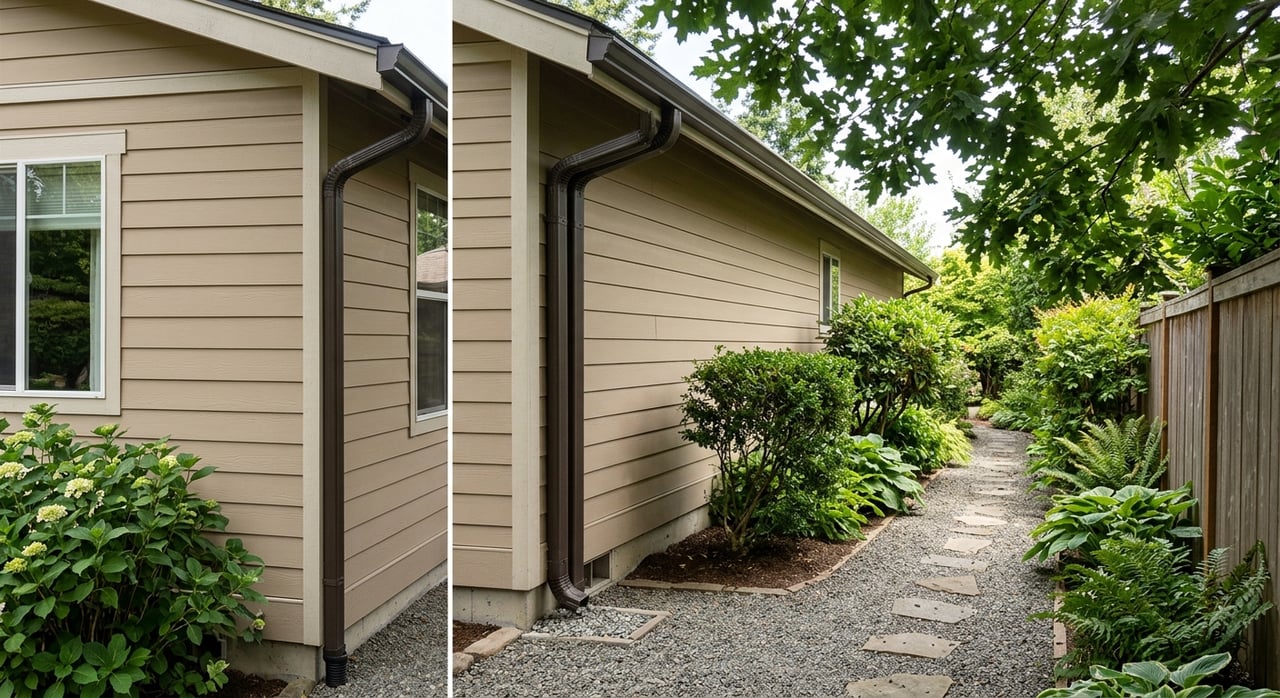
Walk the exterior of your property and look for places where water may collect near the foundation. Standing water, soil sloping toward the house, clogged gutters, or short downspouts can all raise concerns during an inspection.
Exterior drainage checklist
Before listing, try to:
- clean gutters and remove debris
- make sure downspouts carry water away from the house
- correct obvious low spots where water stands
- improve grading if soil slopes back toward the foundation
- check for signs of erosion or washout near the home
These are not glamorous fixes, but they can make a meaningful difference. They also show buyers that you have paid attention to the basics that protect the home over time.
Check the roof and attic
Roof issues tend to get attention quickly because they affect both condition and buyer confidence. Missing shingles, damaged flashing, and visible signs of water intrusion can all appear in an inspection report.
Inside, attic access and ventilation matter too. Texas inspectors may note roof penetration issues, prior repair evidence, missing insulation, poor ventilation, or limited access to attic areas.
Roof and attic prep steps
Focus on items like:
- missing or damaged shingles
- visible flashing problems
- ceiling stains or signs of active moisture
- softened materials around leak-prone areas
- blocked attic access
- obvious ventilation or insulation concerns
If interior doors are sticking badly or you see pronounced cracks or separations, those can also catch an inspector’s attention as clues worth mentioning in the report.
Service the HVAC system
A well-running HVAC system helps buyers feel comfortable about the home’s condition. It is also one of the most common systems inspectors evaluate for operation, access, leaks, duct condition, and filter issues.
Before your home goes live, it is wise to have the system serviced, replace dirty filters, and make sure the equipment is easy to reach. Annual professional maintenance is recommended for furnaces and heat pumps, and regular filter changes help support cleaner operation.
HVAC prep basics
Make sure you:
- replace return filters
- clear access around indoor and outdoor units
- schedule routine service if overdue
- address active leaks or drainage around the unit
- check that the thermostat is working properly
This is the kind of practical prep that can reduce preventable comments in a buyer’s report.
Fix obvious plumbing issues
Plumbing problems can feel small until they appear in writing during the option period. Active leaks under sinks, around toilets, or at the water heater are exactly the kinds of issues buyers notice quickly and inspectors are required to report.
It also helps to confirm that the main shutoff valve is easy to locate and that the water heater area is accessible. For most residential water heaters, a 120°F setting is generally recommended.
Plumbing prep checklist
Look for:
- drips under sinks
- toilet leaks or loose fixtures
- moisture around the water heater
- supply or waste pipe leaks
- hard-to-access shutoff areas
- noticeable water pressure concerns
You do not need to solve every hidden plumbing question before listing. You do want to eliminate clear, active issues that suggest deferred maintenance.
Clear the electrical panel area
Electrical panel access is one of the easiest seller wins. If an inspector cannot safely access the panel or sees missing covers, exposed conductors, or blocked clearance, it will likely appear in the report.
Start with simple housekeeping. Move stored items away from the panel and make sure the area is visible and easy to reach.
Electrical prep steps
Before inspection day:
- clear space in front of the panel
- replace missing cover plates if needed
- check for missing or damaged panel covers
- remove anything blocking access to electrical equipment
These fixes are often straightforward, and they help your home present as safer and better maintained.
Test bathrooms, garage, and safety items
Some of the most frustrating inspection comments come from easy-to-check items. Bathrooms without operable windows should have mechanical ventilation, and garage doors should have working photoelectric sensors and auto-reverse functions.
Smoke alarms matter too. The Texas Department of Insurance notes that working smoke alarms cut the risk of dying in a home fire in half, and missing or dead batteries are a major reason alarms fail.
Safety item checklist
Take time to:
- test smoke alarms and install fresh batteries
- confirm bathroom exhaust fans work properly
- check garage door safety sensors
- test auto-reverse on the garage door opener
These are simple steps, but they can prevent avoidable inspection notes that create doubt for buyers.
Make every key area accessible
Access matters more than many sellers realize. Texas inspection standards repeatedly tie reporting to visibility, accessibility, and required clearances around systems and openings.
If the inspector cannot get to the attic hatch, water heater, utility room, crawlspace access, or electrical panel without moving a wall of boxes, that may lead to limitations or comments in the report. Decluttering these areas is one of the fastest ways to improve inspection day.
Keep receipts and repair records ready
If you have completed roof work, plumbing updates, electrical changes, or additions, gather your paperwork before listing. The Texas disclosure process asks about alterations or repairs that may have been done without permits or outside code compliance.
Having records available can reduce uncertainty for buyers. It also supports a smoother, more confident conversation if questions come up during contract.
What not to overdo
Many sellers spend too much time stressing over cosmetic flaws that are not likely to drive the inspection. Minor surface wear, paint touch-ups, and everyday aging can matter for showing presentation, but they are usually not the best place to invest your inspection-prep budget first.
In most cases, you will get better value by focusing on leaks, drainage, access, roof condition, HVAC maintenance, electrical clearance, and safety items. Those are the areas most likely to affect buyer confidence and negotiations.
Should you get a pre-listing inspection?
For some Northwest Hills sellers, the answer is yes. A pre-listing inspection can help you understand likely buyer concerns before you hit the market, which gives you time to decide what to repair, what to disclose, and how to price or position the home.
That can be especially useful in an established neighborhood where homes may have a mix of original features, updates, and age-related maintenance items. A pre-listing strategy can bring more clarity and reduce surprises once a buyer is under contract.
A smart Northwest Hills approach
The best inspection prep plan is usually practical, not dramatic. In Northwest Hills, that means paying close attention to water flow, roof condition, mechanical systems, safe access, and visible maintenance in a mature Austin neighborhood.
If you want to sell with fewer surprises and stronger buyer confidence, it helps to walk through your home the way an inspector will. And if you want an experienced local advisor who understands both the market and the construction side of the conversation, Andrea Hamilton can help you prepare, position, and present your home thoughtfully.
FAQs
What should sellers in Northwest Hills fix before a home inspection?
- Sellers in Northwest Hills should focus first on drainage, roof issues, active leaks, HVAC maintenance, electrical panel access, garage safety features, smoke alarms, and clear access to attic and utility areas.
What do Texas home inspectors usually look for during a resale inspection?
- Texas home inspectors usually report deficiencies in major systems such as foundation performance, grading, drainage, roofing, attic ventilation, electrical components, plumbing, HVAC operation, and certain safety-related items rather than ordinary cosmetic wear.
Why is drainage important for a Northwest Hills home inspection?
- Drainage is especially important in Northwest Hills because the area spans multiple watersheds, and inspectors are required to report grading, drainage, and gutter or downspout deficiencies that may affect the home.
Should a Northwest Hills seller get a pre-listing inspection?
- A pre-listing inspection can be helpful if you want to identify likely buyer concerns early, make repairs on your timeline, and reduce the chance of surprise negotiations during the option period.
Do cosmetic flaws matter in a Texas home inspection?
- Minor cosmetic flaws usually matter less because Texas inspection standards generally focus on functional, safety, and accessibility issues rather than ordinary wear on paint, surfaces, cabinets, floors, or countertops.